 Email: sales@telsto.cn
 Telephone: 86-021-6221 2832
 LinkedIn
 Youtube
Selecting the right 4.3-10 rf connector is essential for telecom and 5G base station reliability. Telsto’s 4.3-10 Male Connector for 1/2” flexible RF cable demonstrates high performance through robust materials and superior signal integrity. Engineers face challenges such as installation complexity and environmental resilience. Recent trends highlight advantages including lighter weight, increased density, and efficient field installation.
| Feature | Description |
|---|---|
| Lightweight | Reduces tower load, supports easier installation. |
| Excellent signal integrity | Maintains clarity for 5G and LTE communications. |
| Easy installation | Simplifies setup and maintenance in diverse environments. |
Key Takeaways
- Choosing the right 4.3-10 RF connector enhances signal clarity and reduces maintenance needs in telecom and 5G applications.
- The 4.3-10 connector’s compact design allows for high-density installations, making it ideal for modern base stations.
- Selecting connectors with high environmental durability ensures reliable performance and extends the lifespan of RF coaxial cables.
What Is a 4.3-10 RF Connector?
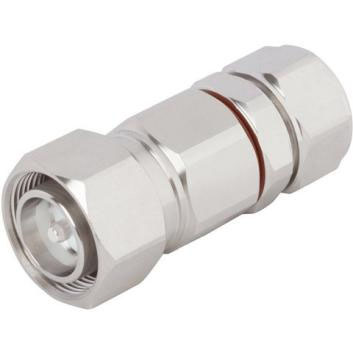
Definition and Purpose
A 4.3-10 rf connector is a specialized coaxial connector designed for high-performance rf signal transmission in telecommunications. Engineers use this connector to link coaxial cables with antennas, amplifiers, and other rf devices. The design focuses on minimizing signal loss and maintaining low passive intermodulation, which is critical for clear signal quality in modern networks.
The 4.3-10 connector stands out due to its compact footprint and advanced coupling mechanism. Compared to traditional connectors like the 7/16 DIN, it offers a smaller diameter and reduced torque requirements. The table below highlights key differences:
| Feature | 4.3-10 Connector | 7/16 DIN Connector |
|---|---|---|
| Footprint | Smaller (10 mm outer conductor diameter) | Larger (16 mm outer conductor diameter) |
| Torque Requirements | Reduced (5 Nm for reliable contact) | High (25-30 Nm required) |
| Intermodulation Performance | Improved passive intermodulation | Standard performance |
| Coupling Mechanism | Universal support for various types | Axial O-ring gasket requiring high torque |
| Connection Density | 1 connector per inch (2.54 cm) | Similar to DIN 4.1/9.5 or N connectors |
Telecom and 5G Application Relevance
The 4.3-10 connector plays a vital role in rf signal management for telecommunications and 5G networks. Its adoption stems from several advantages:
- Compact size allows for high-density installations in base stations.
- Low passive intermodulation ensures reliable signal transmission.
- Weatherproof design supports outdoor deployments.
- Maintains similar electrical performance to larger connectors but with reduced weight.
Engineers rely on this coaxial connector for distributed antenna systems, wireless infrastructure, and MIMO antennas. It connects critical rf components, supporting optimal signal integrity and robust performance in demanding telecom environments.
Tip: Choosing the right rf connector improves signal clarity and reduces maintenance needs in telecom and 5G application deployments.
4.3-10 RF Connector Features
Low PIM Performance
Low passive intermodulation is essential for rf coaxial connectors in telecom and 5G base station applications. The 4.3-10 rf connector minimizes unwanted signal interference, supporting clear transmission of high-frequency signals. Engineers rely on connectors with superior PIM performance to maintain signal quality in wireless communication systems. Telsto’s connectors use premium materials, such as brass center contacts with silver plating and PTFE insulators, to reduce intermodulation. These features ensure reliable operation in environments with multiple rf signals and coaxial cables.
Frequency Range and Impedance
The frequency range and impedance of rf coaxial connectors determine their suitability for demanding applications. Most 4.3-10 rf connector specifications support standard operating frequencies up to 6 GHz, with precision connectors reaching 8 GHz. These connectors maintain a characteristic impedance of 50 Ohms, which is critical for efficient signal transmission. Engineers select connectors based on their ability to handle high-frequency signals without loss or distortion. Telsto’s connectors deliver consistent performance across a wide range of rf applications, ensuring compatibility with various coaxial cables and devices.
- Standard operating frequency: 6 GHz
- Maximum frequency for precision connectors: 8 GHz
- Characteristic impedance: 50 Ohms
Environmental Durability
Environmental durability is vital for rf coaxial connectors used in outdoor telecom installations. Connectors must withstand harsh conditions, including moisture, dust, and extreme temperatures. Telsto’s connectors feature robust construction and advanced sealing technology. The waterproof rating of IP67 ensures protection against water ingress, while the temperature range of -40 to 85 degrees Celsius guarantees reliable performance in diverse climates. These specifications help maintain signal integrity and extend the lifespan of connectors in critical applications.
| Specification | Value |
|---|---|
| Waterproof Rating | IP67 |
| Temperature Range | -40°C to +85°C |
Note: Selecting connectors with high environmental durability reduces maintenance and supports uninterrupted wireless communication in telecom and 5G base station applications.
.jpg)
RF Coaxial Connectors Specifications
Electrical Characteristics
Electrical characteristics define the performance of a 4.3-10 rf connector in telecom and 5G base station applications. These connectors must deliver consistent rf signal quality across a wide range of frequencies and power levels. The following table summarizes key electrical specifications for high-performance connectors used in these environments:
| Characteristic | Value |
|---|---|
| Impedance | 50 ohms |
| Frequency Range | DC to 6 GHz (up to 12 GHz) |
| Voltage Rating | 500 volts RMS continuous |
| Dielectric Withstand Voltage | 2500 VRMS maximum |
| Maximum VSWR (DC – 4 GHz) | 1.032 (-36 dB) |
| Maximum VSWR (4 – 6 GHz) | 1.052 (-32 dB) |
| Insulation Resistance | Minimum 5000 MΩ |
| Center Contact Resistance | 1 mΩ maximum |
| Outer Contact Resistance | 1 mΩ maximum |
| RF Leakage | Maximum -120 dB (DC – 3 GHz) |
| Insertion Loss | Maximum 0.05√(f (GHz)) dB |
| PIM (2 x 20 W) | -166 dBc (0.4 – 4 GHz) |
| PIM (2 x 40 W) | -160 dBc (0.4 – 4 GHz) |
These specifications ensure that the coaxial connector maintains low insertion loss and high insulation resistance. Reliable rf signal transmission is critical for telecom and 5G applications, especially when multiple cables and connectors are present.
Mechanical Properties
Mechanical properties play a vital role in the durability and ease of installation for connectors in demanding rf environments. The table below highlights essential mechanical features:
| Mechanical Property | Description |
|---|---|
| Size | Smaller and lighter than older connectors, facilitating easier installation. |
| Tight Fit | Designed to fit well in tight spaces, allowing for more connections. |
| Electrical Performance | Strong electrical performance from DC up to 6 GHz, ensuring signal clarity. |
| Insulation Resistance | High insulation resistance to maintain signal integrity. |
| Contact Resistance | Low contact resistance to reduce signal interference. |
Connectors with these mechanical properties support high-density coaxial installations and withstand the rigors of outdoor rf applications. Proper selection of connectors ensures stable signal flow and long-term reliability for all coaxial cables in telecom and 5G base station deployments.
Note: Always verify connector specifications to match the requirements of your rf applications and coaxial cable types.
Comparing Connectors
4.3-10 vs. 7/16 DIN
Engineers often evaluate connectors based on performance, size, and suitability for telecom and 5G applications. The 4.3-10 rf connector offers a compact design and supports medium to high power levels. The 7/16 DIN connector, known for its larger size, handles very high power and is common in legacy systems. Both connectors deliver strong rf signal quality, but the 4.3-10 rf connector excels in modern environments where space and density matter.
| Feature | 4.3-10 Connector | 7/16 DIN Connector |
|---|---|---|
| Size | Compact, smaller and lighter | Larger, designed for high power |
| Power Handling | Medium to high power (40–100 W) | Very high power (up to 1 kW) |
| PIM Performance | Low PIM (≤ -160 dBc) | Excellent PIM (≤ -155 dBc) |
| Torque Requirements | Lower torque needed | Higher torque required |
| Application Suitability | Ideal for LTE and 5G environments | Best for legacy systems and broadcast |
The 4.3-10 rf connector supports high-density installations and simplifies maintenance. Its lower torque requirements reduce installation errors and protect coaxial cables from damage. Engineers select this connector for new telecom deployments and 5G base stations.
Advantages for Base Stations
Base stations demand connectors that maintain stable rf signal transmission and withstand harsh environments. The 4.3-10 rf connector provides several advantages over other connector types, including N-Type connectors. It delivers dynamic PIM stability, even when torque changes during installation. The connector maintains a flat frequency response and low VSWR, supporting reliable signal flow across all coaxial cables.
| Advantage | 4.3-10 Connectors | N-Type Connectors |
|---|---|---|
| Dynamic PIM Stability | Maintains low PIM even with torque changes | Higher PIM fluctuation under similar conditions |
| Frequency Range and VSWR | Flatter and more stable in high-frequency | Less stable in high-frequency applications |
| Power Handling | Handles over 500W at 2GHz | More heat and risk of PIM degradation |
| Mechanical Stability | More stable in high-vibration environments | Less stable in similar conditions |
| Industry Adoption | Best PIM stability for 5G applications | Historically used but less effective now |
Tip: Choosing connectors with robust specifications ensures reliable rf signal transmission and reduces downtime in telecom and 5G base station applications.
The 4.3-10 rf connector stands out as the preferred coaxial connector for modern base stations. It supports advanced applications, protects cables, and delivers consistent performance in demanding rf environments.
Connector Selection Steps
Cable Compatibility
Cable compatibility is a primary consideration in connector selection for telecommunications and 5G base station applications. Engineers must match connectors to the specific coaxial cables used in their systems. Each connector must fit the cable diameter and support the electrical requirements of the application. Telsto’s 4.3-10 Male Connector for 1/2” flexible RF cable provides a clear example of how compatibility impacts performance. The connector ensures a secure fit, minimizing signal loss and maintaining integrity across the entire coaxial cable system.
Compatibility extends beyond physical fit. Electrical compatibility is essential for maintaining low insertion loss and stable impedance. Engineers must verify that connectors support the frequency range and power levels required by their rf applications. Proper compatibility prevents signal degradation and supports reliable wireless communication. Telsto offers custom solutions for unique cable types, ensuring that every connector meets the demands of modern coaxial installations.
Tip: Always check connector specifications and cable compatibility before installation. This step reduces maintenance and supports uninterrupted signal flow.
Installation Environment
The installation environment influences connector selection for rf applications. Outdoor base stations require connectors with robust environmental durability. Telsto’s connectors feature waterproof ratings and wide temperature ranges, making them ideal for harsh conditions. Engineers must consider factors such as moisture, dust, and temperature extremes when selecting connectors for telecommunications infrastructure.
Indoor installations may demand connectors with different sealing requirements. The connector must protect the signal from electromagnetic interference and physical stress. Telsto provides clear assembly instructions, helping engineers achieve secure connections regardless of the environment. Custom solutions are available for unique installation challenges, ensuring compatibility with diverse coaxial cable systems.
Environmental factors also affect the longevity of connectors. Choosing connectors with high durability reduces the risk of signal interruptions and extends the lifespan of rf coaxial cables. Engineers should evaluate the installation site and select connectors that match the environmental demands of their applications.
RF Connector Mounting Options
Mounting options play a critical role in connector selection for 5G base station applications. Engineers must choose mounting methods that secure the connector and maintain signal integrity. Several mounting options are available for 4.3-10 connectors:
- Hard mounting provides a stable connection for outdoor and high-vibration environments.
- Ceiling tile mounting offers flexibility for indoor installations and distributed antenna systems.
- Options with or without screw holes allow for additional security and adaptability in various applications.
Each mounting option supports different coaxial cable configurations and installation requirements. Engineers must assess the needs of their rf applications and select the mounting method that ensures compatibility and reliability. Telsto’s connectors are designed for easy installation, with clear instructions that simplify the process and reduce errors.
Note: Proper mounting protects the connector and cables from mechanical stress, preserving signal quality in demanding telecommunications environments.
Connector selection requires careful evaluation of cable compatibility, installation environment, and mounting options. Matching connector specifications to application needs ensures reliable signal transmission and supports the performance of coaxial cable systems in wireless communication networks.
Practical Tips for Choosing Connectors
Common Mistakes
Selecting connectors for telecom and 5g base stations requires careful attention to detail. Many engineers encounter issues that can impact signal quality and system reliability. The following mistakes often occur during connector selection for coaxial cables and rf applications:
- Using multiple adapters increases insertion loss and raises the risk of passive intermodulation. This can degrade signal performance in wireless communication systems.
- Choosing adapters that lack certification for low PIM may introduce unwanted interference. Certified adapters help maintain signal integrity across all applications.
- Failing to minimize the number of adapters can compromise the connection between cables and devices. Fewer adapters support better signal transmission and reduce maintenance needs.
Note: Avoiding these mistakes ensures that connectors deliver consistent performance for mobile communication and telecom networks.
Selecting a 4.3-10 RF connector involves these steps:
- Define frequency range.
- Determine insertion loss.
- Match impedance.
- Evaluate mechanical and environmental needs.
- Select connectors.
- Consider phase stability and power handling.
- Review standards and testing.
- Balance cost and performance.
| Characteristic | Importance |
|---|---|
| Impedance | Maintains signal integrity. |
| VSWR | Affects signal quality. |
| Mechanical Stability | Prevents misalignment. |
| Environmental Resistance | Ensures reliable performance. |
Telsto’s advanced manufacturing and strict quality control reinforce its reputation for innovation and reliability in RF connectivity.
FAQ
What makes the 4.3-10 connector ideal for 5G base stations?
The 4.3-10 connector offers low PIM, compact size, and high durability. These features support dense installations and reliable signal transmission in 5G networks.
How does Telsto ensure connector reliability in harsh environments?
Telsto uses premium materials and advanced sealing. The IP67 waterproof rating and wide temperature range guarantee performance in outdoor telecom and 5G deployments.
Can I use the 4.3-10 connector with different cable types?
Yes. Telsto provides custom solutions and clear assembly instructions. Always verify cable compatibility to ensure optimal signal integrity and secure connections.
Post time: Jul-29-2026


