 Email: sales@telsto.cn
 Telephone: 86-021-6221 2832
 LinkedIn
 Youtube
In the age of gigabit fiber and 5G, the humble gel seal closure has not been replaced; it has been reinvented as a vital, high-performance safeguard. While high-speed wireless and wired networks dominate our daily lives, gel seal closures continue to provide the trusted, physical defense for engineers requiring flawless protection for fiber splices and cable joints. Its superior sealing and flexibility,deliver a 99.9%+ waterproof rating, ensuring stable signals in harsh environments where moisture and dust constantly threaten connectivity.
Heat shrink sleeves require a propane torch and are typically permanent (single-use). Gel Seal Closures are tool-free, faster to install, and re-enterable, allowing for future inspection or rewiring without damaging the cable or the closure.
Most models feature a snap-fit design or a simple locking mechanism. This eliminates the risk of fire hazards associated with torches and makes them perfect for hazardous environments or rapid deployment scenarios.
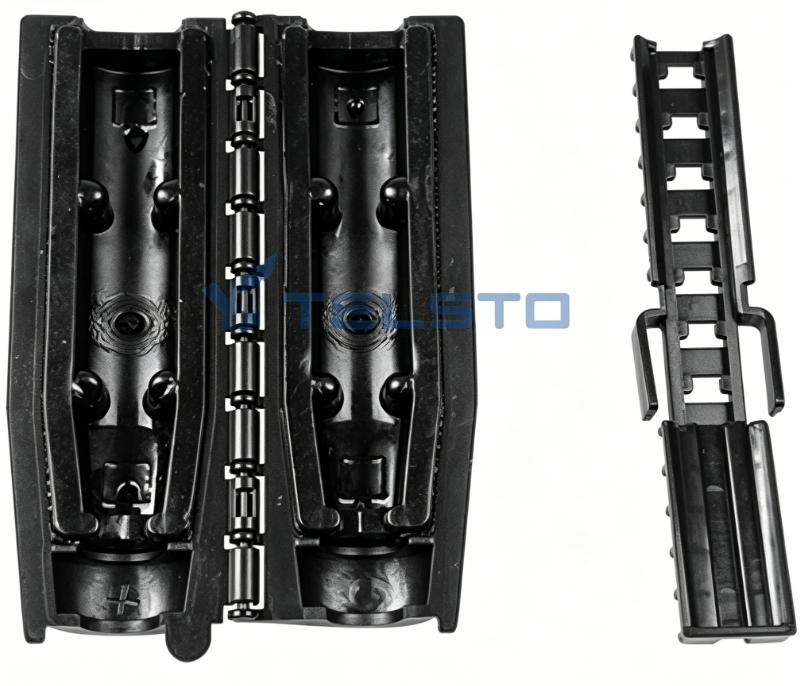
Gel seal closures provide a compact, IP68-rated protective shell for fragile fiber splices, guaranteeing long-term indoor and outdoor reliability.
These closures offer a quick, cost-effective, and robust waterproofing solution for 5G infrastructure, securing critical connections against the elements.
Gel seal closure is the “invisible armor” of modern communication networks. It offers a simplicity, resilience, and protective reliability that ensures your high-speed data flows smoothly, no matter how extreme the environment.
Post time: Jun-30-2026


