 Email: sales@telsto.cn
 Telephone: 86-021-6221 2832
 LinkedIn
 Youtube
Why Optical Transceivers are the Unsung Heroes of the Fiber & 5G Era?
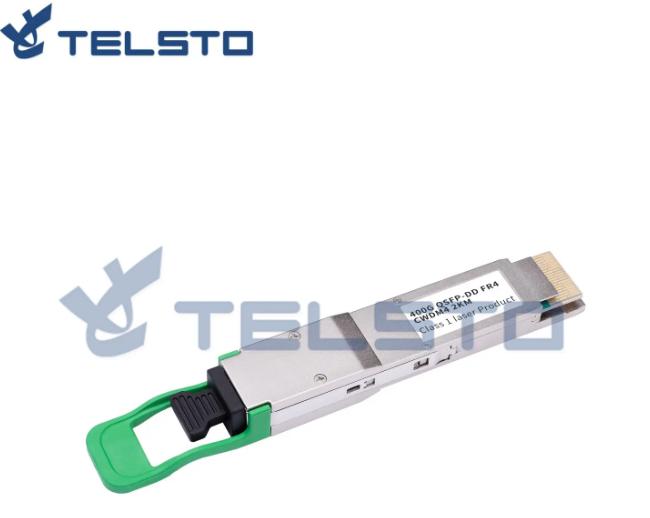
While everyone talks about Gigabit speeds and 5G coverage, few see the tiny devices making it all possible. Meet the optical transceiver—the small but mighty component plugged into every router, switch, and base station. It acts like a universal translator, converting electrical signals into light pulses to travel across fiber optic cables at lightning speed. Without these mini engines, the internet would literally grind to a halt.
Why choose our transceivers?
Blazing-fast speeds eliminate video freezes and slow downloads.
Plug-and-play design allows easy upgrades—swap modules, not equipment.
Energy-efficient operation reduces costs and overheating risks.
Where are they used?
1
Data centers
Connect servers to deliver Netflix streams and Google searches instantly.
2
5G base stations
Act as rugged gateways, ensuring ultra-low latency for smart cities and autonomous driving.
How simple are they to deploy?
Designed for hassle-free integration—no specialized tools needed. Just plug into routers, switches, or base stations for immediate performance boosts.
Core Advantages:
The Bottom Line:
Optical transceivers are the invisible pulse of the digital world. They are the essential bridge between hardware and high-speed data, ensuring that the global internet remains fast, reliable, and ready for the next technological leap.
Post time: Jun-30-2026


